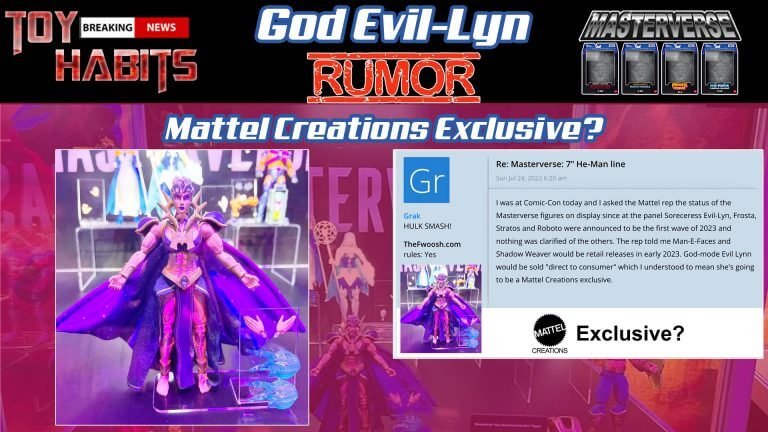
Future MOTU Origins Sketch Book Series Figures Part 1
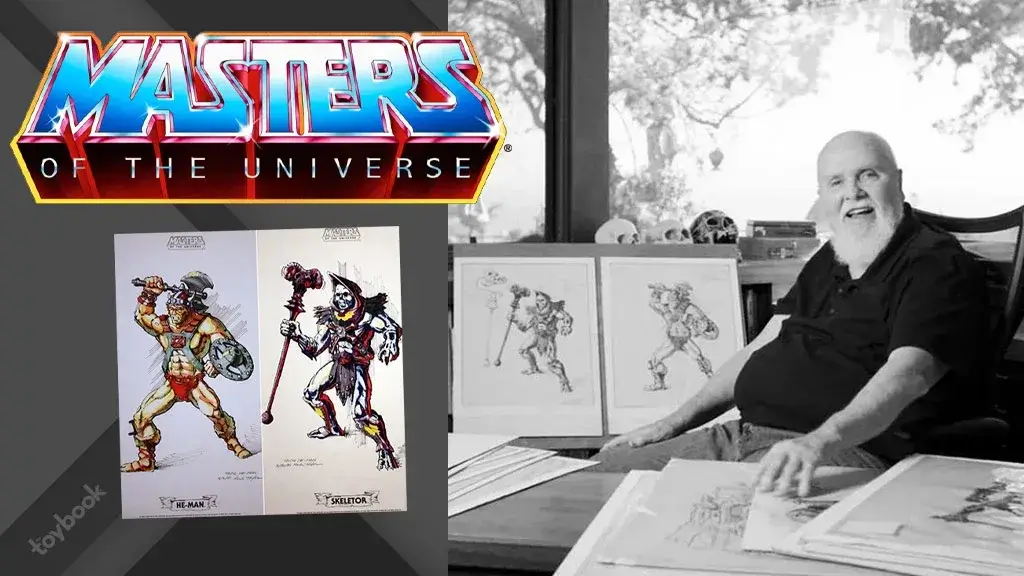
With the reveal of the Evil-Horde 2-pack that kicked off the Masters of the Universe Origins Sketchbook Series, Mark Taylor and Roger Sweet’s early concepts of the Masters of the Universe figures are on a fast track production. This was a brilliant move by Mattel as we get a peak into an alternate reality as the early concepts very well could have been green lit for production and the figures and characters we know today could have looked very different. Mark Taylor is a former toy designer who worked for Mattel in the 1980s, during the development of the Masters of the Universe toy line. Taylor is known for his contributions to the early development of the franchise, including the creation of many iconic characters such as He-Man, Skeletor, and Battle Cat. With teases of Skeletor (aka Evil Incarnate) and He-Man on the Hordak and Grizzlor Sketch Book Series card art, the door is wide open to bring more concepts of yesteryear to life! In fact, there are two more fgures slotted for the Sketch Book series with the early information that Spikor and Sy-Klone are coming to the line. In this article, we explore a handful of concepts from our copy of the Power and Honor Foundation book that would make killer figures for the MOTU Origins Sketch Book series!
Mekaneck
Initially called Spy Man in Michael Halperin’s Masters of the Universe series bible, Roger Sweet’s concept art for Mekaneck (left) includes many of the core elements that would appear in the 1984 figure. The color scheme is quite similar, though yellow was only used for the mace in the final sculpt. The helmet was redesigned from Sweet’s illustration to make it more angular and visually striking. However, the Filmation animators were never fond of animating the character due to the sharp angles of Mekaneck’s final design.

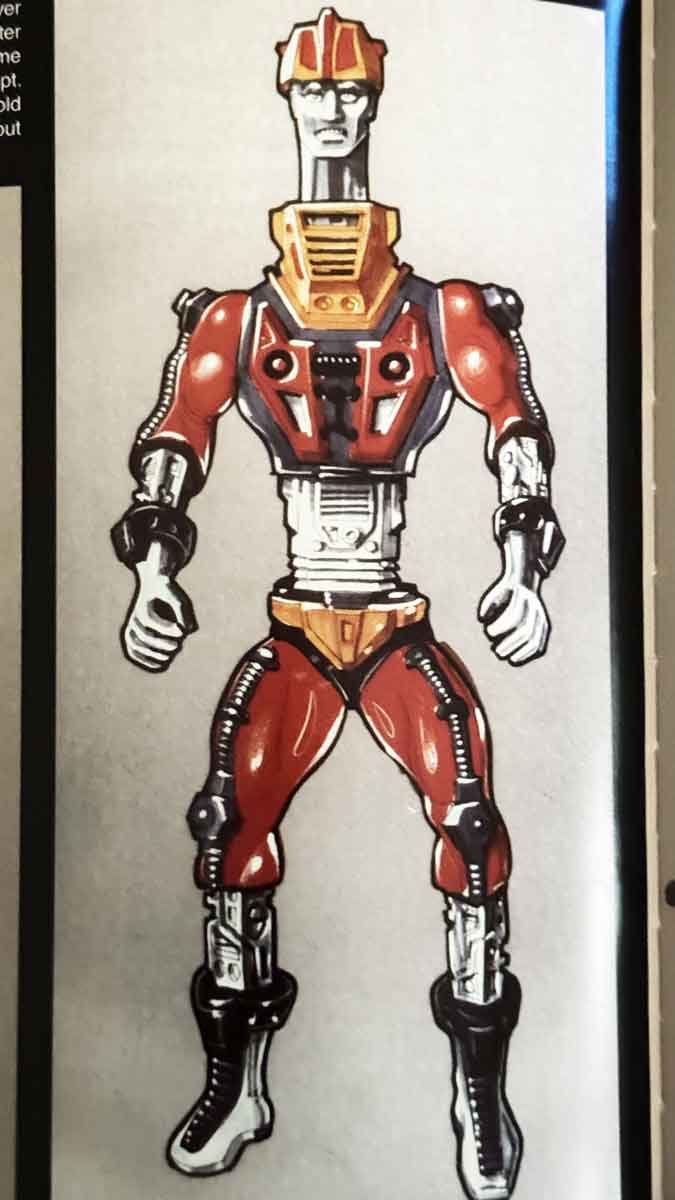
Extendar
Although vividly colored in this pieces, Extendar’s conceptual illustrations by Ted Mayer are similar to the actual figure released in 1986. While the design of the character may look different, one can instantly see the figure’s action feature functions exactly the same with his telescoping neck, arms, waist and legs making their way through to the final sculpt. The color scheme, which almost seems random, is vastly different from the silver and gold one in the produced figure. Even though Extendar was released at the same time as Snout Spout and Rio-Blast, he failed to make an appearance in the cartoon.

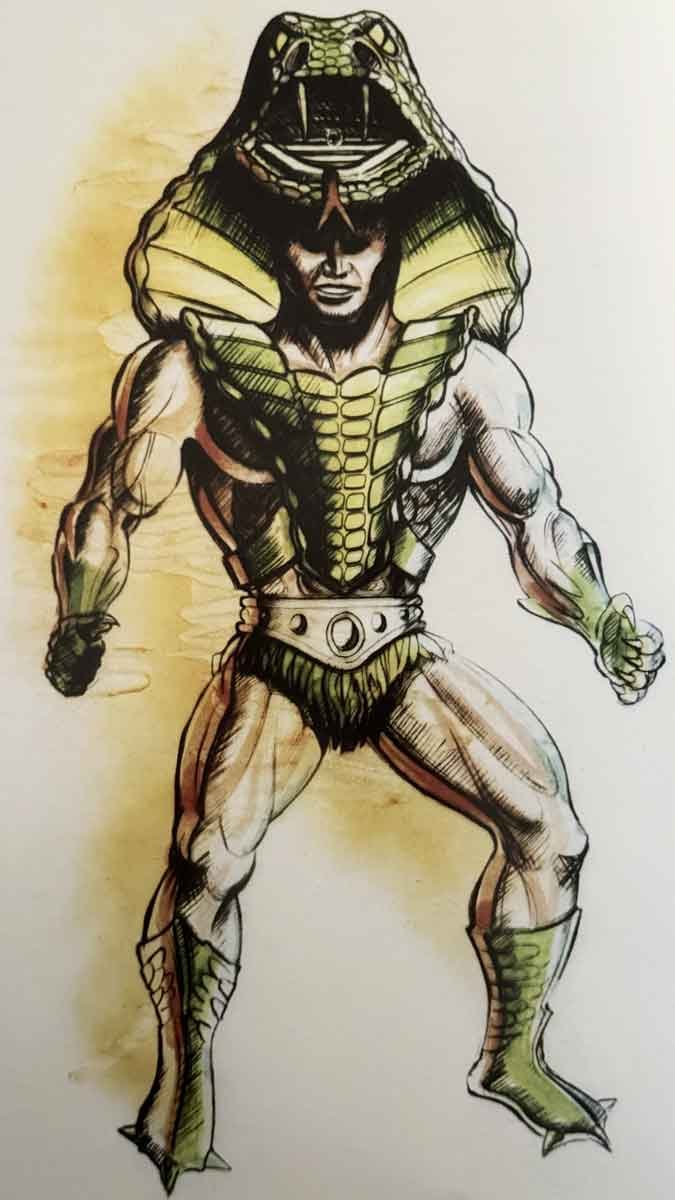
Kobra Khan
While this character bears little resemblance to any figure in the MOTU line, a closer look at the intricate snake-themed armor reveals a hole in the snake’s mouth, suggesting it was meant to be a water-squirting feature. This figure is highly likely that this was one of the initial concept designs for Kobra Khan.
Spikor and Sy-Klone Confirmed
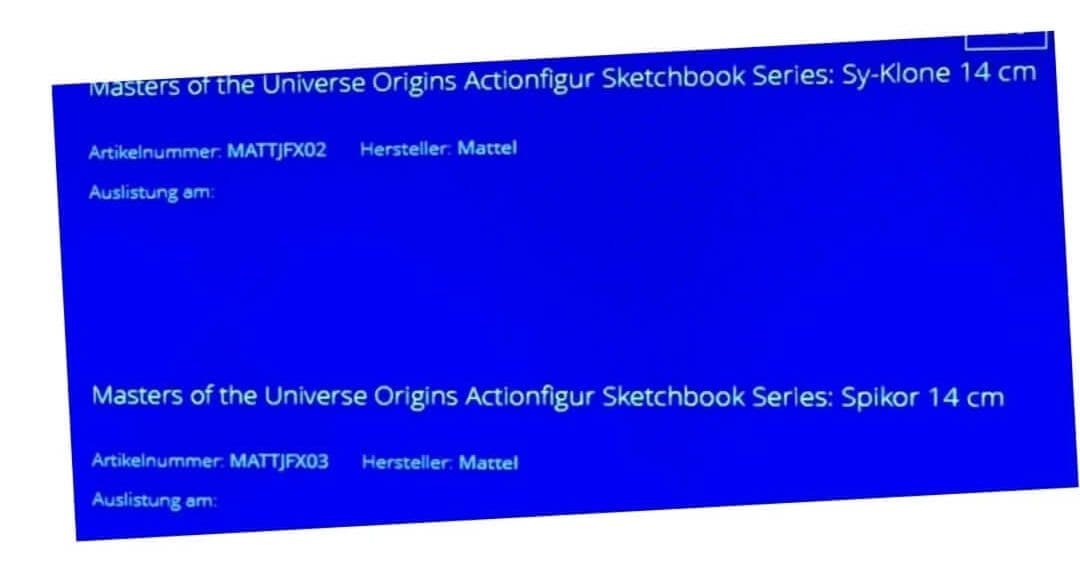
Thanks to yo_tengo_el_poder for posting a listing from Heo that shows that Sy-Klone and Spikor are coming to the MOTU Origins Sketch Book series!
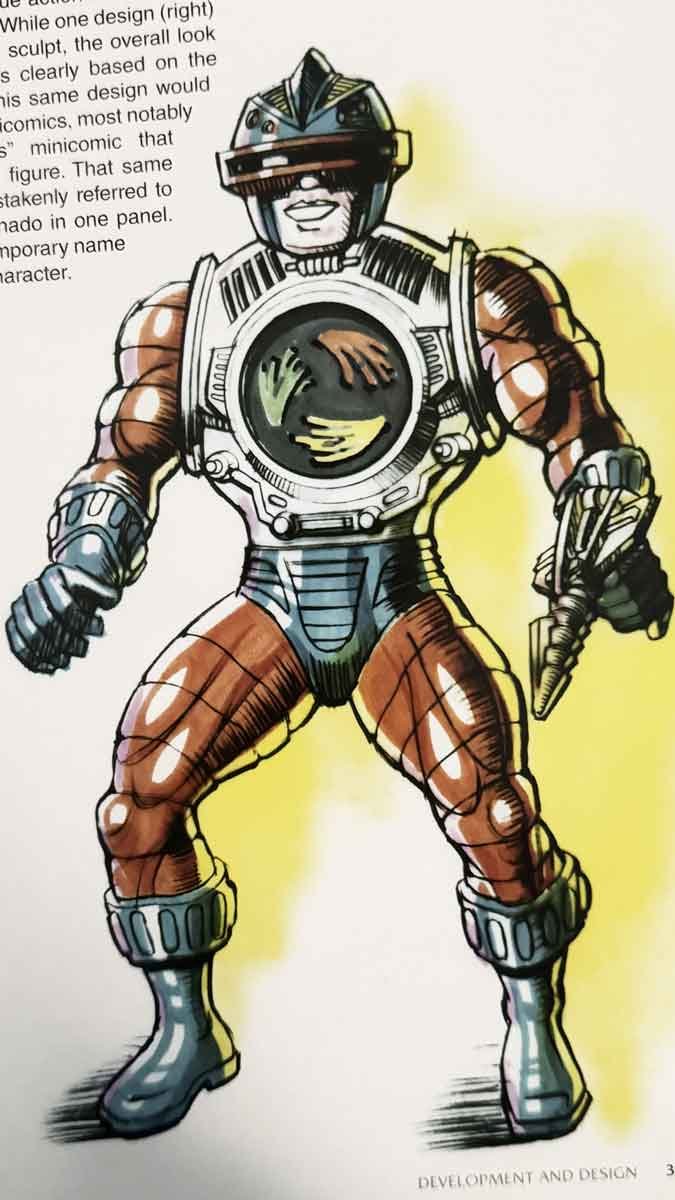
Sy-Klone
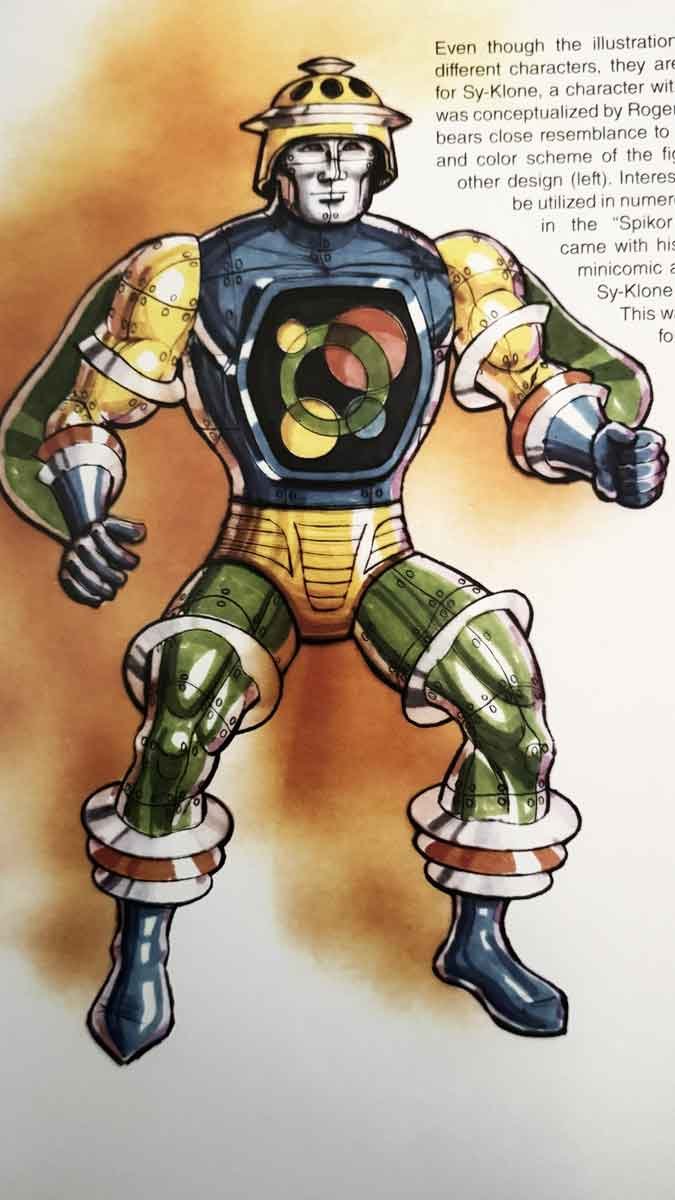
Although the illustrations appear to depict two very different characters, they are actually early design concepts for Sy-Klone, a character with a unique action feature developed by Roger Sweet. The design on the right closely resembles the final sculpt, while the overall look and color scheme of the figure on the left clearly draws from the other design. Interestingly, this same design was later used in several minicomics, most notably in the “Spikor Strikes” minicomic that came with his action figure. In that minicomic, Sy-Klone was mistakenly referred to as Tornado in one panel, which was a temporary name for the character.
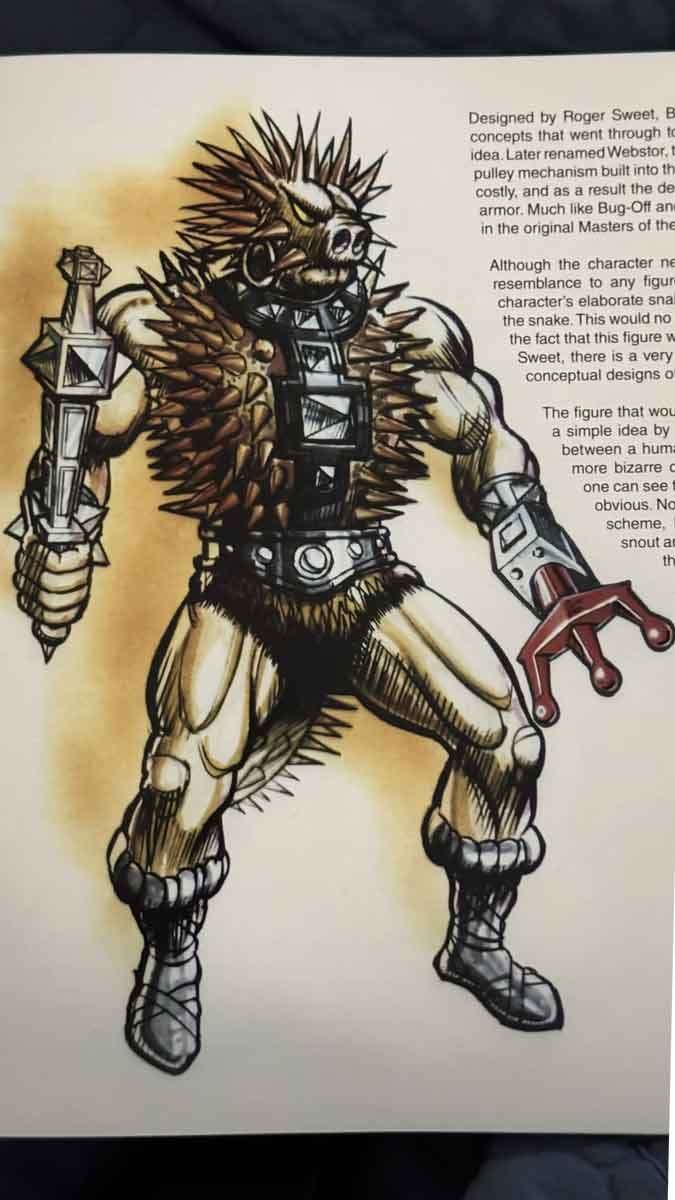
Spikor
The character that would eventually be known as Spikor originated from a simple concept by Roger Sweet: an action figure that combined features of a humanoid and a porcupine, making it one of the more unusual creatures on Earth. In this early sketch, Spikor’s porcupine traits are more apparent. Not only does he have a more natural animal color scheme, but he also features a distinct snout and tail. While the trident arm seems to have been part of the design from the start, the mace appears less threatening than in the final version. Sweet had initially intended for the character to be named Spike, but marketing opted for a name that was more fitting for the world of Eternia.
He-Man and Skeletor Teases
Given what we know about the MOTU Origins line, the teases and easter eggs could signify future figures and it is highly likely that we will see a 2-pack of He-Man and Skeletor in the MOTU Origins Sketchbook Series in the future as they are the prominent hero and villain in the Masters of the Universe. Before we dive into the sketches for Skeletor and He-Man, I want to give kudos to Mattel for kicking off the Sketchbook Series with Hordak and Grizzlor and not simply going with the two that seem to kickoff everything, He-Man and Skeletor. In a magnificent piece of art, illustrated by fetch.franciscoetchart, we can see a battle scene in front of the concept Fright Zone that features Hordak and Grizzlor as he trys to take a piece out of He-Man. In the Fright Zone holding cell, can see an early version of Skeletor clutching the bars as he looks on.

He-Man Tease
This version of He-Man has evolved since the early years before He-Man was officially called He-Man. As

He-Man Early Concept
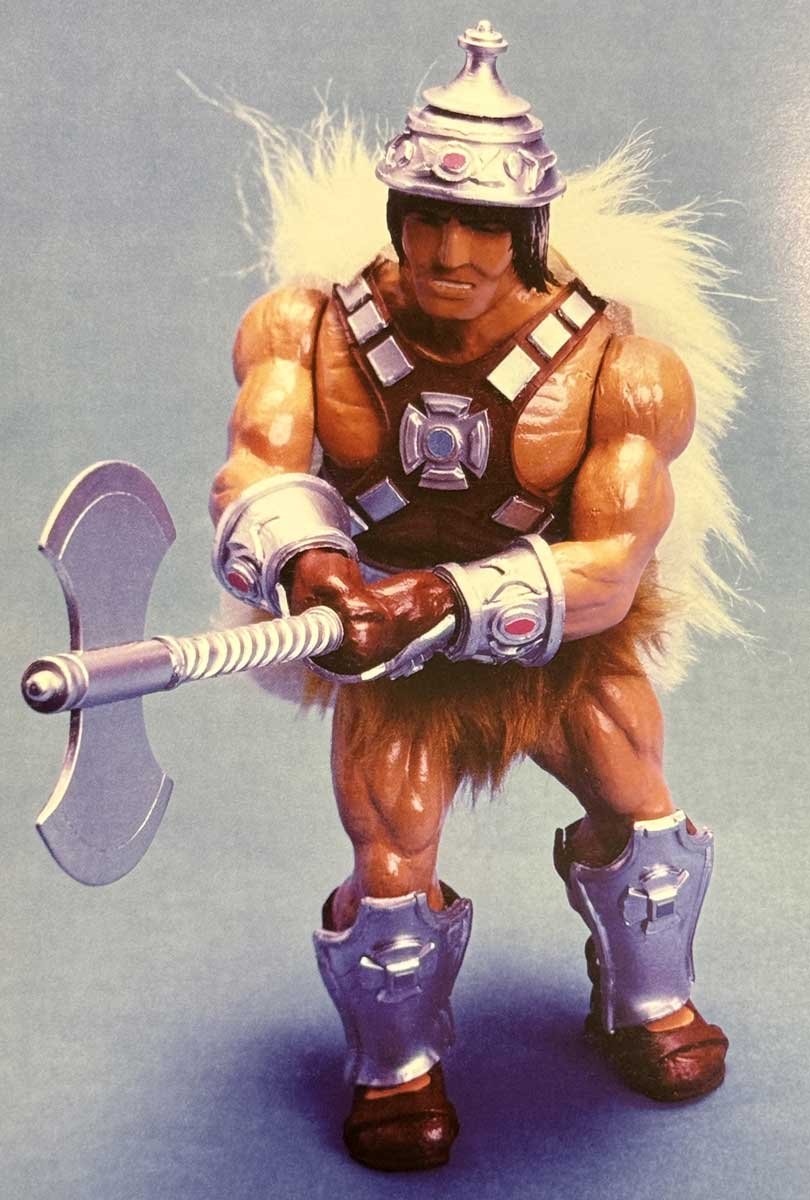
To see the evolution of how He-Man came to be, we highly encourage you to visit the Battle Ram Blog, the most comprehensive MOTU resource out there for the history of the Masters of the Universe. We are only featuring a handful of He-Man concept illustrations that most resemble the art from the Evil-Horde 2-Pack and shown below is an early concept sketch of He-Man, after he had gone through several years of iteration. This more barbaric version of He-Man featured a spiked helmet, and axe, and the traditional harness we have come accustomed to.

The illustration shown below would eventually become the basis for a prototype figure that Roger Sweet would eventually pitch to Mattel.

Three weeks prior to the Mattel Product Conference, Roger Sweet began turning the concept of He-Man into something physical. Working many hours of unpaid overtime, he modified an existing nine-and-a-half-inch Big Jim figure. Even though Big Jim possessed an athletic build, Sweet applied modeling clay to add an immense amount of muscle mass to the figure. The end result was an incredibly, almost ludicrously proportioned, muscle-bound action figure. He also gave the Big Jim figure a battle-ready pose, so that it appeared the character was ready for action.
Using the now-modified Big Jim figure as a mold, Sweet created five action figure casts. He would modify three for the presentation while two were kept back as spares should the need to use them arise. Sweet dubbed the three figures he prepared for the presentation the “He-Man Trio.”
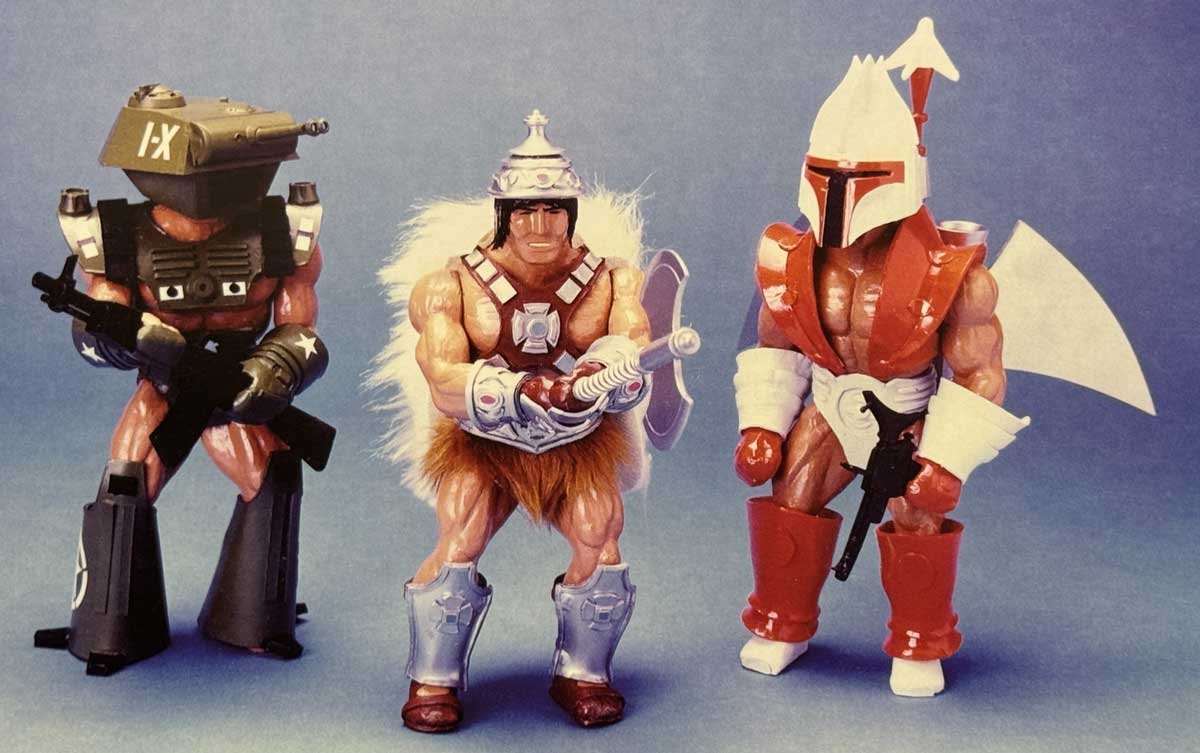
As the Battle Ram Blog states: “As Taylor tells the story, Mattel was looking for a new boy’s action figure line that could be produced without paying licensing fees to a third party. The company had passed on making Star Wars toys, and of course Star Wars had become enormously successful in the meantime. Mattel’s existing boy’s lines (Clash of the Titans, Battlestar Galactica and Flash Gordon) could not compete with Luke Skywalker and Darth Vader. As part of the initiative to create a new male action figure line, Roger Sweet (a designer at Mattel), used some of Mark Taylor’s drawings to assist in developing a pitch for a new line of action figures. For a presentation to Mattel CEO Ray Wagner, Sweet created three rudimentary action figures, which were really Big Jim figures packed with extra clay muscles. In Roger’s concept, the character could be a generic hero, outfitted with science fiction, barbarian or military costumes, and would have access to science fiction vehicles.”
Skeletor Tease
We can see the early concept of Skeletor as he is contained in the Fright Zone in the holding cell, over the shoulder of Hordak as he commands Grizzlor to attack He-Man.

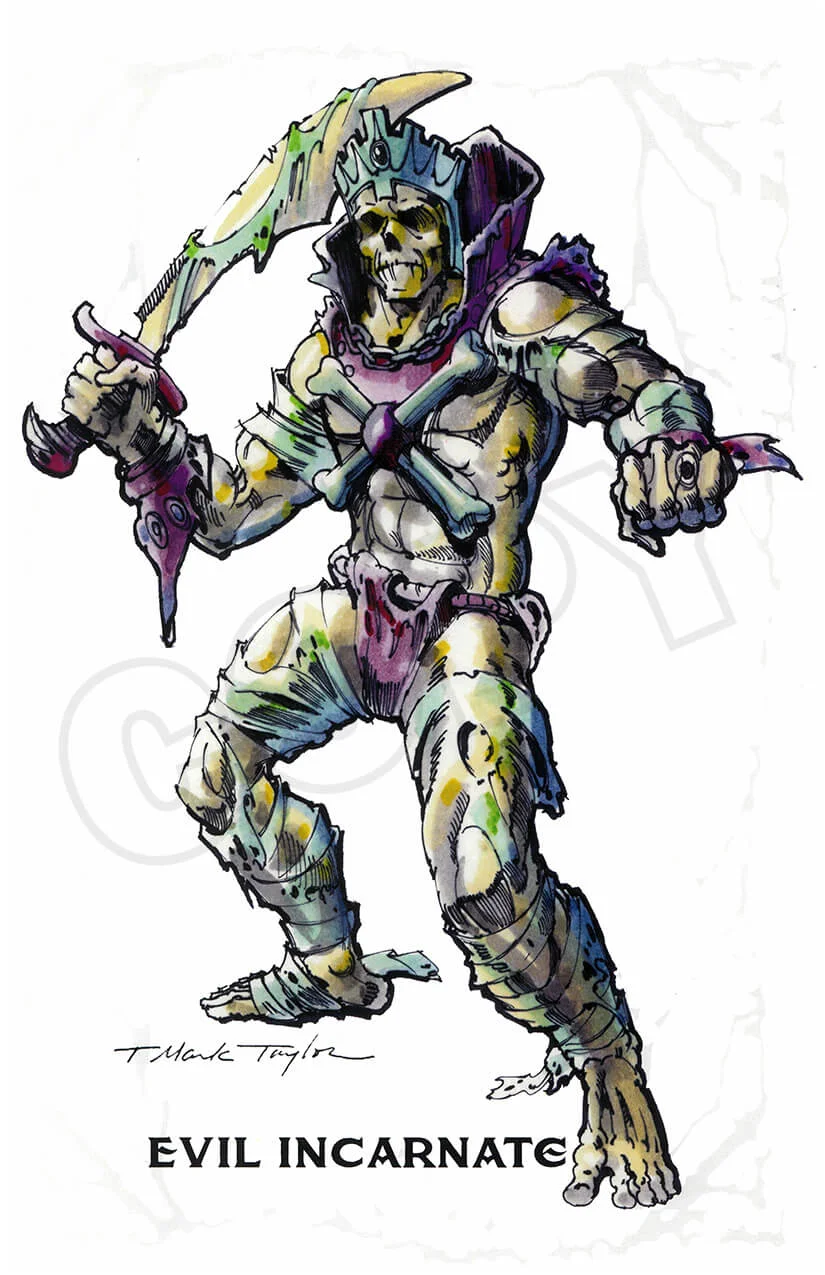
Skeletor Concept
The original concept for Skeltor featured a similar, yet different, design aesthetic to the Evil Lord of Destruction we know today. In fact, the working name for the character below was Evil Incarnate and this illustration was part of the design process for the character that would become Skeletor.